
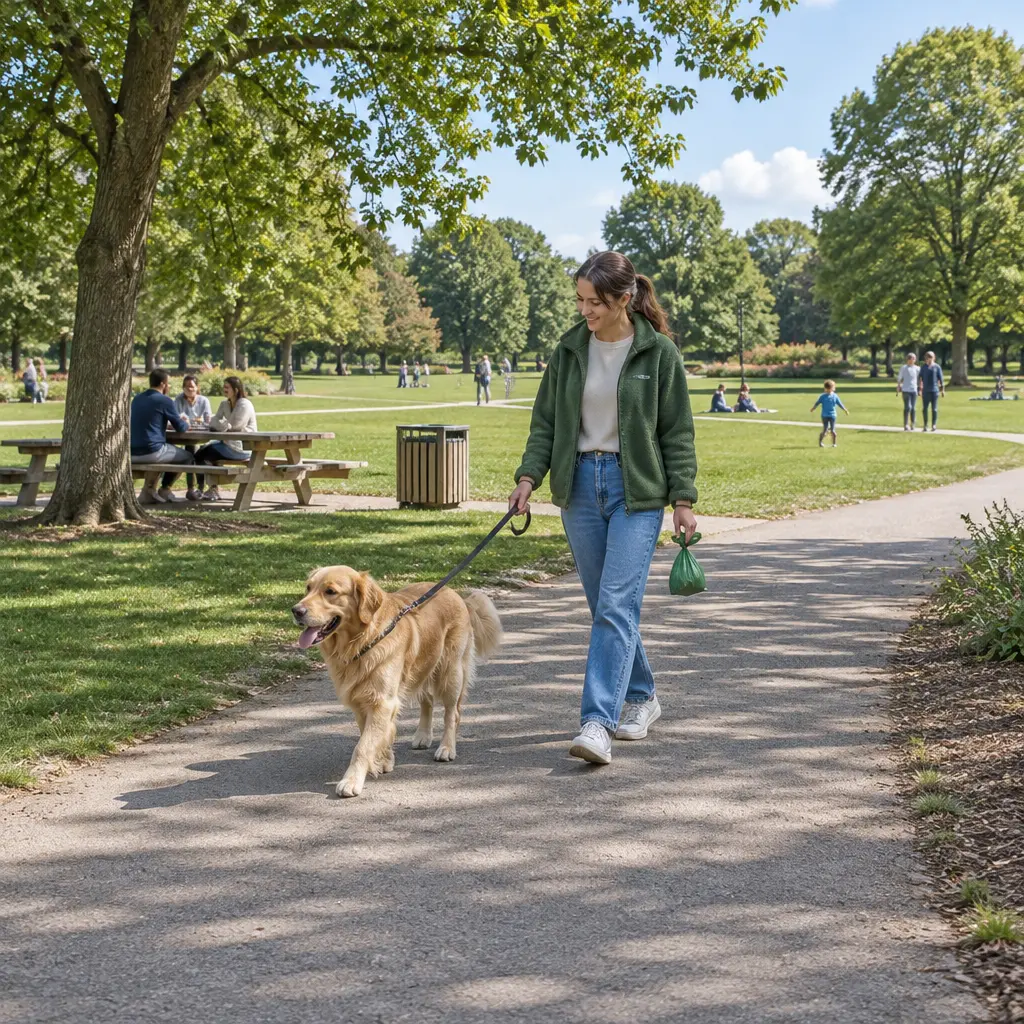
A public park is a shared outdoor space managed for recreation, nature, and community life. The unwritten rules that help keep parks open to everyone are everyday practices of respect: sharing facilities, protecting plants and wildlife, limiting noise and litter, and making room for people with different needs. These habits matter because parks are both heavily used and valuable public assets: the U.S. National Recreation and Park Association’s 2024 Agency Performance Review reported that local park and recreation agencies serve an average of 28,000 residents per park, while the National Park Service recorded more than 325 million visits to national parks in 2023. Courtesy cannot replace accessible design, fair enforcement, or adequate funding, but it can help shared spaces remain welcoming and usable.
Sharing Space: The Core Unwritten Rules of Public Parks
An unwritten park rule is a customary behavior that helps people use a shared space without unnecessarily disrupting or excluding others. It is not necessarily a law or posted regulation. The Project for Public Spaces describes successful public spaces as places that are accessible, comfortable, sociable, and active—qualities that depend partly on how visitors treat one another. These norms include yielding on busy paths, keeping dogs under control, taking rubbish away, and respecting quiet or wildlife areas.
The rules are useful precisely because parks bring different activities together. A playground, trail, picnic lawn, and habitat area may occupy the same landscape, but each calls for different conduct. The practical test is whether an action helps others share the space safely and comfortably without assuming that every visitor has the same abilities, resources, or preferences.
Yielding and sharing paths
Path etiquette means staying aware, leaving room, and yielding predictably when people travel at different speeds. Walkers should avoid spreading across a narrow route; runners and cyclists should pass only when there is enough space and give a clear, courteous warning where appropriate. The details can vary by park and local rules, so posted signs take priority.
Sharing a path is also an accessibility issue. The U.S. Access Board’s accessibility standards for outdoor developed areas address features such as accessible routes, surfaces, and passing spaces. Visitors can support access by keeping strollers, bikes, bags, and pets from blocking a route. A clear path benefits wheelchair and mobility-device users as well as families and older adults.
Keeping noise and group use considerate
Considerate noise means enjoying conversation, games, and music without making the entire park absorb one group’s activity. Keeping speakers at a low volume, observing quiet-area signs, and leaving room for other groups to picnic or play are simple ways to share limited space. This does not mean parks must be silent: it means balancing lively recreation with other visitors’ ability to rest, talk, or experience nature.
Leaving a light footprint
A light footprint is the practice of leaving a site as undisturbed as possible: use designated paths, avoid damaging vegetation, and pack out rubbish when bins are full or unavailable. The National Park Service’s Leave No Trace guidance promotes planning ahead, disposing of waste properly, leaving natural objects in place, and respecting wildlife. These principles apply beyond national parks, though each local park may have its own rules.
Protecting Nature: Wildlife, Plants, and Park Cleanliness
Respectful recreation protects the living systems that make parks more than open lawns. The U.S. Environmental Protection Agency explains that stormwater can carry pollutants from streets and other surfaces into waterways. Litter, pet waste, and food scraps left on the ground can therefore affect both park cleanliness and the wider environment. Park etiquette is most effective when it supports habitat protection and follows local guidance.
Giving wildlife distance
Wildlife etiquette means observing animals without feeding, chasing, touching, or crowding them. Feeding can change animal behavior and draw animals toward people, roads, or unsafe food. The National Park Service advises visitors to keep a safe distance from wildlife; exact distances and restrictions differ among species and locations. Dogs should be leashed where required, and visitors should respect seasonal closures that protect nesting or breeding areas.
Keeping dogs under control and cleaning up
Responsible dog walking combines supervision, leash compliance, and prompt waste disposal. A dog that is friendly with its owner may still frighten another visitor, approach wildlife, or interfere with a service animal. Picking up pet waste helps keep paths and play areas sanitary and reduces the chance that waste will wash into drainage systems. Dog rules vary, so designated off-leash areas and posted restrictions should be followed.
Preventing litter and protecting shared facilities
Clean-park etiquette is simple: use bins when available, separate recyclables where the park provides that service, and take waste with you if containers are overflowing. The same care applies to restrooms, picnic tables, drinking fountains, and sports equipment. Leaving a facility ready for the next visitor is a small act of stewardship; repeated damage or misuse can increase maintenance burdens and reduce access for everyone.
Welcoming Everyone: Inclusion, Access, and Shared Responsibility
A park is genuinely shared only when people can enter, navigate, and participate in it. The National Recreation and Park Association has reported that local park and recreation agencies serve an average of 28,000 residents per park in its 2024 Agency Performance Review, underscoring how many people may depend on a limited number of local spaces. Courtesy helps, but it cannot substitute for accessible infrastructure, sufficient facilities, equitable investment, or clear and fair rules.
Making room for different needs
Inclusive etiquette begins with not treating one’s own preferred use of a park as the only legitimate one. Visitors can leave accessible routes unobstructed, avoid occupying priority seating or accessible facilities unnecessarily, and ask before helping someone. The U.S. Access Board’s outdoor accessibility standards provide technical requirements for features in covered outdoor areas; park agencies and visitors both have roles in making access work in practice.
Respecting cultural and community differences
Parks serve people who may differ in language, culture, age, income, and expectations about recreation. A welcoming approach avoids policing harmless differences in dress, food, family size, or ways of relaxing. When a genuine safety or access concern arises, a calm explanation and a reference to a posted rule are more constructive than confrontation or assumptions about who belongs.
Following rules and responding to problems safely
Unwritten norms complement, rather than override, official regulations. Fire restrictions, closing hours, leash requirements, swimming advisories, and trail closures protect people and natural resources. If a visitor’s behavior creates an immediate danger, contact park staff or emergency services instead of escalating the situation. For less urgent concerns, reporting a maintenance problem to the managing agency is usually more useful than taking matters into one’s own hands.
Why Park Etiquette Matters: Use, Stewardship, and Public Value
Good etiquette can reduce avoidable conflicts and help parks remain pleasant, safe, and functional. It also reinforces a shared sense of stewardship: visitors are more likely to care for a place when they see others treating it with respect. Still, park quality depends on public decisions as well as individual behavior, including maintenance budgets, accessible facilities, conservation planning, and fair enforcement.
National visitation figures illustrate the scale of shared use. The National Park Service reported more than 325 million recreation visits in 2023. That total covers national park sites, not local parks, and should not be confused with a count of unique people; nevertheless, it shows how frequently public landscapes must accommodate visitors. For a visual comparison, a chart could place annual NPS recreation visits alongside each year’s published total, clearly labeling the measure as visits rather than individual visitors.
A practical approach is to notice the setting, read signs, give others room, and leave the area in at least as good a condition as it was found. When agencies make expectations visible and provide facilities such as bins, accessible routes, and well-maintained restrooms, visitors can follow those expectations more easily.
Conclusion: Everyday Courtesy Keeps Parks Open to Everyone
The unwritten rules of public parks are grounded in a few connected responsibilities: share paths and facilities, keep noise and group use considerate, protect wildlife and plants, dispose of waste properly, and respect the needs of other visitors. These habits help turn a crowded public space into a place people can use together. They matter most when paired with accessible design, clear rules, responsible management, and sustained public investment.
On your next visit, check local signs, keep routes clear, give wildlife space, and take your rubbish with you. If a park needs repairs or better access, report the issue to its managing agency. Small acts of care—and community advocacy for well-maintained, inclusive parks—help keep these shared spaces welcoming for everyone.
Sources: National Recreation and Park Association, 2024 Agency Performance Review, https://www.nrpa.org/publications-research/park-metrics/; National Park Service, 2023 National Park Visitor Spending Effects and Recreation Visits, https://www.nps.gov/subjects/socialscience/visitor-spending.htm; Project for Public Spaces, What Makes a Successful Place?, https://www.pps.org/article/grplacefeat; U.S. Access Board, Outdoor Developed Areas: A Summary of Accessibility Standards for Federal Outdoor Developed Areas, https://www.access-board.gov/aba/guides/chapter-10-outdoor/; National Park Service, Leave No Trace, https://www.nps.gov/articles/leave-no-trace-seven-principles.htm; National Park Service, Wildlife Safety, https://www.nps.gov/subjects/watchingwildlife/safety.htm; U.S. Environmental Protection Agency, What Is Stormwater Runoff?, https://www.epa.gov/soakuptherain/soak-rain-what-stormwater-runoff.


