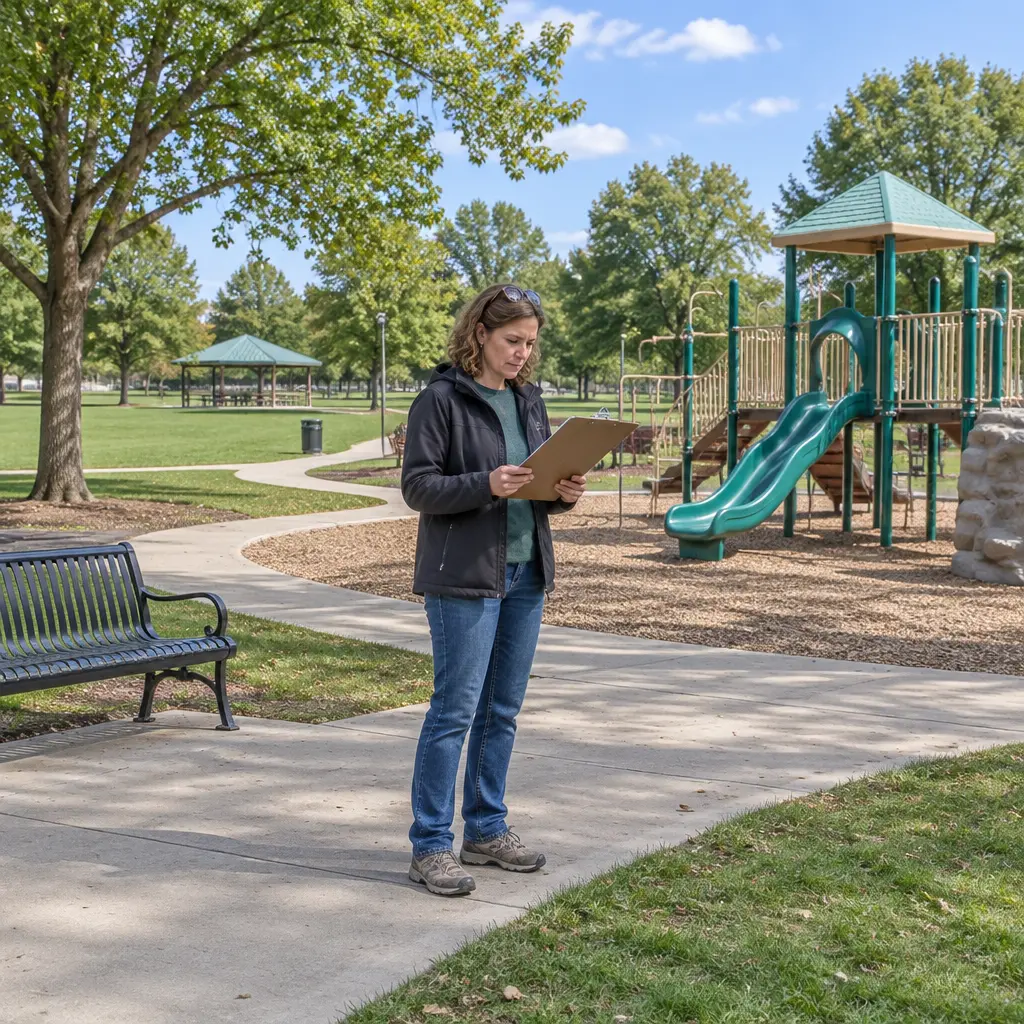
A budget-friendly park option is a public or private outdoor recreation space that offers meaningful amenities and a good visitor experience without requiring high admission fees or costly add-ons. Families can often find that quality at municipal parks, state recreation areas, free-access preserves, and parks with discounted passes: the National Recreation and Park Association (NRPA) reports that local park and recreation agencies serve more than parks across the United States, while the National Park Service offers free admission on designated fee-free days. Comparing total trip costs—not just entry prices—helps visitors choose parks with worthwhile facilities, convenient access, and activities suited to their needs.
How budget-friendly park options deliver quality
“Budget-friendly” does not mean that a park must be free or have elaborate attractions. For this guide, it means that the park provides useful recreation and a safe, enjoyable visit at a reasonable total cost. That cost may include admission, parking, transport, equipment, food, and any required reservations. The NRPA’s agency data and the National Park Service’s fee policies show why visitors should look beyond a single ticket price: many local parks are free to enter, while some destination parks charge for parking, camping, or specific facilities.
Quality is also more than scenery. Access to restrooms, maintained paths, shade, play areas, drinking water, and clear information can shape a visit just as much as a landmark or viewpoint. The best-value choice depends on who is going, how long they will stay, and which activities matter most.
Municipal parks and neighborhood recreation
Municipal parks are public spaces managed by city or county agencies. Many offer free entry and everyday amenities such as playgrounds, sports courts, walking paths, picnic tables, and open lawns. Their proximity can reduce transportation costs and make short visits practical. The NRPA’s ParkScore index evaluates large U.S. city park systems using factors including access, acreage, investment, and amenities, underscoring that park value depends on both availability and service—not simply the number of green spaces.
A nearby park may be a better value than a famous destination if it meets the group’s needs without requiring a long drive or paid attractions. Check the local parks department’s calendar: free concerts, nature walks, and recreation programs can add value, though some classes or facilities may require reservations or fees.
State parks and recreation areas
State parks are protected or managed public lands that commonly provide outdoor recreation such as hiking, swimming, camping, and wildlife viewing. Fees vary by state and site; some charge per vehicle, while others have free entry or offer annual passes. Before traveling, compare the admission fee with the amenities and activities included, and check whether parking, camping, boat launches, or timed-entry reservations cost extra.
A state park can be an economical alternative to a commercial attraction when visitors bring their own food and use free trails or picnic areas. State park agencies often publish fee schedules, pass details, trail conditions, and seasonal alerts, making them useful sources for planning a realistic budget.
National parks and fee-free opportunities
National parks and other federally managed recreation sites range from free-access lands to destinations that charge entrance fees. The National Park Service runs designated fee-free days at participating parks, but a waived entrance fee does not necessarily cover camping, tours, reservations, or concession services. Visitors should confirm which sites participate and what costs remain before setting out.
For travelers who plan several fee-charging visits, the America the Beautiful annual pass may lower total admission costs. The National Park Service lists pass prices and eligibility, including discounted or free passes for certain groups. The pass is most useful when its cost is lower than the combined entrance fees for the planned trips; it does not automatically waive every separate fee.
How to compare park value and avoid hidden costs
Once visitors identify suitable park types, they can compare the complete cost of a visit. A low admission fee may not be the least expensive option if parking, transport, equipment rental, or food adds substantially to the bill. Conversely, a modestly priced park may offer exceptional value when it includes maintained trails, accessible facilities, and several activities in one location.
Calculate the total trip cost
Total trip cost is the sum of required fees and likely spending for everyone in the group. Include admission, parking, fuel or transit fares, rentals, food, and any reservation charges. For overnight trips, add camping or lodging, firewood, and applicable permits. Compare costs per person or per vehicle, since parks use different fee structures.
- Check official park pages for current entrance, parking, and reservation fees.
- Look for annual passes, resident discounts, library pass programs, and eligible concessions.
- Bring reusable water bottles, snacks, and picnic supplies where permitted.
- Confirm whether popular trails or facilities require advance booking.
The National Park Service notes that fees and pass rules can differ by site and activity. As a result, visitors should verify current terms rather than relying on an old review or an advertised base price.
Assess amenities, access, and maintenance
Park amenities are facilities and services that support recreation and comfort, including restrooms, accessible routes, drinking water, shade, picnic areas, and play equipment. Their importance depends on the trip: a remote trail may suit experienced hikers, while families with young children may prioritize toilets, short paths, and playgrounds. The U.S. Access Board’s accessibility standards provide requirements for accessible outdoor recreation features, but visitors should still consult park information for current route conditions and facility availability.
Maintenance and safety information also matter. Check official notices for closures, weather hazards, swimming advisories, fire restrictions, and trail conditions. A free park with closed facilities may not be a practical bargain, while a small parking charge may be worthwhile for a well-maintained site that fits the group’s needs.
Use public information to plan a better-value visit
Park agency websites, maps, and visitor centers can help visitors avoid unnecessary spending and choose activities suited to their abilities. The U.S. Geological Survey’s recreation and public-land information can support broader trip planning, while local agencies are generally the best source for operating hours, facility updates, and event schedules. In practice, a nearby municipal park with a free community program may offer better value than a distant attraction with costly add-ons.
A useful comparison chart can list each candidate park’s entry fee, travel time, parking cost, restrooms, accessible features, and planned activities. This makes trade-offs visible and helps groups select a park based on real needs rather than reputation alone.
Conclusion: choose parks by total value
Budget-friendly park options include neighborhood and municipal parks, state recreation areas, and national sites visited with fee-free days or an appropriate pass. Their quality depends on the amenities, access, condition, and activities they provide—not on admission price alone. Comparing the full trip cost and checking official information can help visitors find a park that is enjoyable, practical, and affordable.
Before your next outing, compare two or three nearby options, confirm current fees and conditions, and consider bringing food and reusable supplies. For further planning, consult your local parks department, state park agency, and the National Park Service’s official fee and pass information.
Sources: National Recreation and Park Association, Agency Performance Review, https://www.nrpa.org/publications-research/research-papers/agency-performance-review/; Trust for Public Land, ParkScore, https://www.tpl.org/parkscore; National Park Service, Fee-Free Days, https://www.nps.gov/planyourvisit/fee-free-parks.htm; National Park Service, America the Beautiful Passes, https://www.nps.gov/planyourvisit/passes.htm; U.S. Access Board, Outdoor Developed Areas: A Summary of Accessibility Standards, https://www.access-board.gov/ada/guides/chapter-10-outdoor/