Camping setups that withstand dust, noise, and early starts are systems for controlling exposure, protecting sleep, and making morning routines simple. A reliable setup combines a well-sealed tent, thoughtful campsite placement, hearing and respiratory protection, and gear organized for a quiet exit. The National Park Service notes that wind and weather can change quickly outdoors, while the U.S. Environmental Protection Agency identifies fine particles as a health concern because they can penetrate deep into the lungs. Those risks make practical preparation valuable—especially at busy campgrounds, near roads, or in dusty, windy conditions.
Dust-resistant camping setup: site choice and shelter
A dust-resistant camping setup is an arrangement of campsite, shelter, and equipment that limits airborne particles entering sleeping and cooking areas. There is no single official camping standard for “dustproof”; in practice, protection depends on reducing exposure, closing openings, and cleaning gear without spreading dust. The EPA’s Air Quality Guide explains that particle pollution includes particles of different sizes and that PM2.5—particles no larger than 2.5 micrometers—can travel deep into the respiratory system.
Choose a naturally sheltered campsite
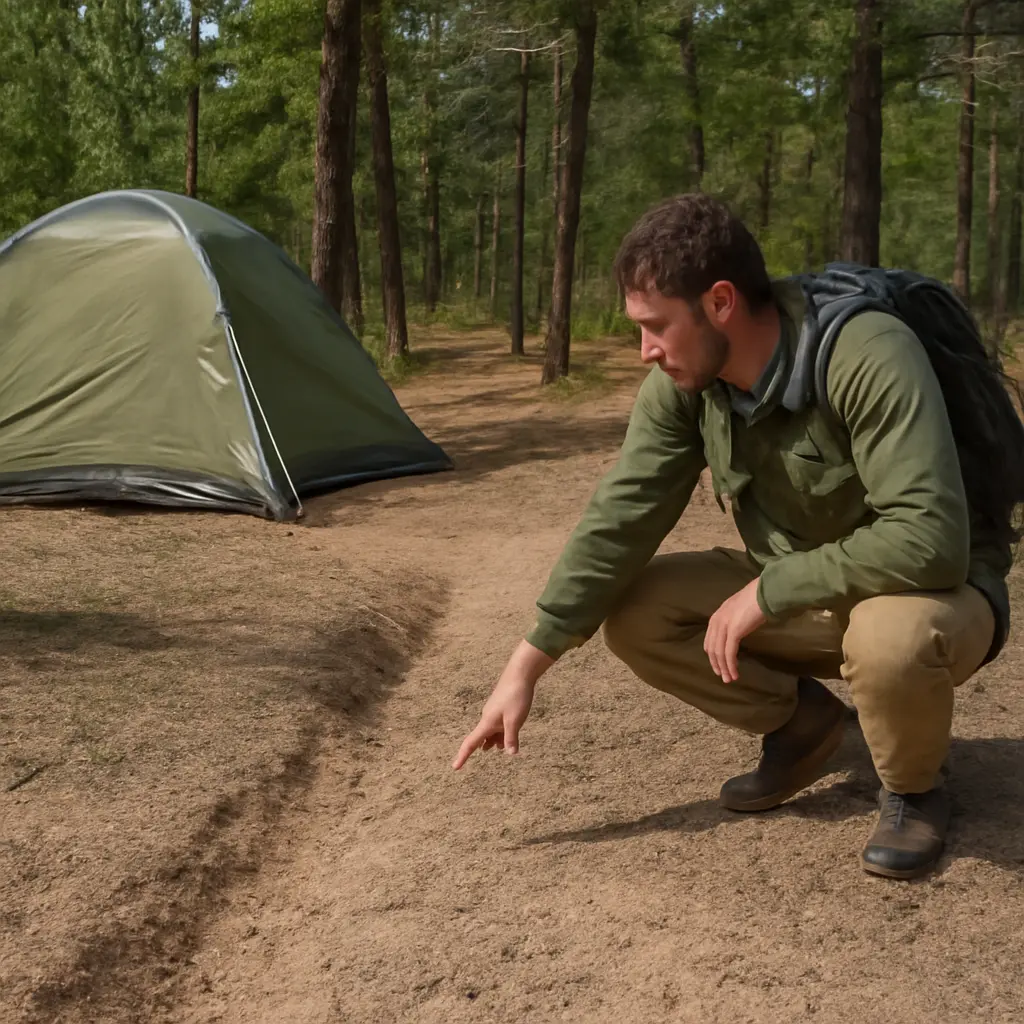
A sheltered site uses terrain or vegetation to reduce wind-driven dust without placing the tent beneath unsafe branches or in a drainage channel. When permitted, favor stable ground away from roads, unpaved traffic lanes, parking areas, and exposed dry flats. Check the forecast and local fire or weather advisories before settling in; wind direction can shift, so avoid positioning the tent where dust is likely to blow directly through its doors or vents.
Site choice also affects noise. Campgrounds commonly have vehicle traffic, generators, neighboring conversations, and early departures. The National Park Service’s campground guidance emphasizes following site-specific rules, including quiet hours and generator restrictions. Where possible, select a site away from entrances, restrooms, and high-traffic paths while respecting campground boundaries and accessibility needs.
Use a well-sealed tent and a clean entry routine
A tent’s rainfly, properly closed doors, and intact mesh help keep dust out while maintaining ventilation. Keep dusty footwear and outer layers in a vestibule or designated gear bag rather than bringing them into the sleeping area. Shake clothing outdoors, gently and away from other campers, and wipe tent floors with a damp cloth instead of dry sweeping, which can lift particles back into the air. Never block ventilation to control dust: inadequate airflow can create condensation and, when fuel-burning appliances are used, dangerous carbon-monoxide exposure.
Quiet camping setup: reduce disturbance and protect sleep
A quiet camping setup combines considerate behavior with practical sound reduction. Soft furnishings and distance can reduce some everyday noise, but ordinary tents do not provide soundproofing. The Centers for Disease Control and Prevention describes noise as sound that can affect health and well-being; for camping, the most useful response is to limit avoidable noise and protect sleep without ignoring safety alerts.
Reduce noise at its source
Source control means preventing clatter before relying on earplugs. Store cookware, stakes, and metal tools so they cannot rattle in wind; close vehicle doors gently; and prepare food and clothing before bedtime. Follow posted quiet hours, use headphones rather than speakers, and keep conversations low near neighboring tents. If generators are allowed, observe campground time limits and place equipment only where regulations permit.
Use ear protection without losing awareness
Foam earplugs or comfortable sleep earplugs can soften intermittent sounds, while a low-volume white-noise device may mask minor background noise. Choose products that fit correctly and do not prevent you from noticing alarms, severe weather, or urgent announcements. The CDC and National Institute for Occupational Safety and Health use 85 decibels over an eight-hour workday as a recommended occupational exposure limit; it is not a campsite quietness threshold, but it illustrates that sound level and duration both matter. For sleeping, prioritize a safe, comfortable fit and retain a way to hear important alerts.
Early-start camping setup: prepare for a quiet departure
An early-start camping setup is a layout and routine that allow campers to leave with minimal light, noise, and fumbling. It is especially useful for trailhead departures, sunrise activities, and travel days. Packing the night before reduces the chance of searching through bags, turning on bright lights, or waking nearby campers.
Stage essentials before bedtime
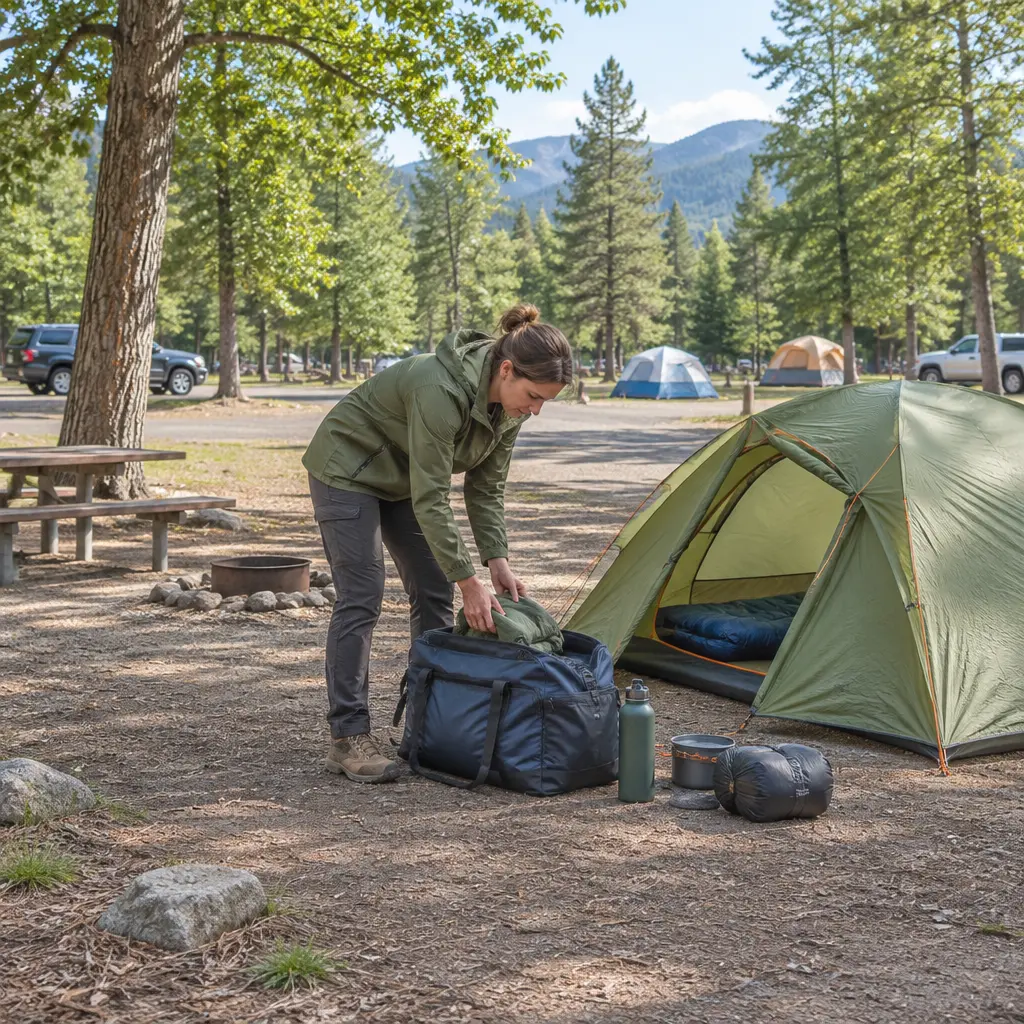
Place clothing, footwear, water, navigation tools, and breakfast where they can be reached in sequence. Keep keys, headlamp, and first-aid items in consistent locations, and check that batteries are charged. Pack loose cookware and other noisy items into padded containers, and keep food secured according to local wildlife rules. A simple checklist can include weather, route, water, permits, and the day’s return plan.
Use light carefully and leave no trace
A headlamp with a low or red-light setting helps with close tasks while limiting glare, but use the dimmest setting that is safe for the task and avoid shining it into other tents. Keep a small “departure kit” together so you can pack efficiently. Before leaving, inspect the site for litter, food scraps, and forgotten equipment. The Leave No Trace Center for Outdoor Ethics advises campers to dispose of waste properly and leave natural areas as they find them; follow the specific rules of the land manager, since food-storage and waste requirements vary.
A practical setup checklist for dust, noise, and early starts
The most effective setup treats shelter, sleep, and departure as one connected system. Adapt this checklist to weather, campground rules, and the sensitivity of anyone in your group.
- Choose a stable site away from likely dust sources and high-traffic areas, while avoiding hazards and protected vegetation.
- Inspect tent seams, doors, and rainfly; keep the sleeping area ventilated and footwear outside the inner tent.
- Store cookware and loose gear so wind or movement cannot create avoidable noise.
- Pack earplugs and a safe light source, keeping alerts and emergency communication accessible.
- Set out morning clothing, water, food, keys, and navigation gear before going to sleep.
- Check local quiet hours, generator limits, fire rules, wildlife guidance, and waste requirements.
Conclusion: a resilient camping setup is built before bedtime
A camping setup that survives dust, noise, and early starts begins with a sheltered site and a clean, ventilated tent. It then reduces sound at its source, uses hearing protection sensibly, and stages morning essentials in advance. These small decisions protect comfort while supporting considerate campground behavior and safer outdoor routines. Before your next trip, review the forecast and land-manager guidance, prepare a departure checklist, and test your shelter and sleep gear at home.
Sources: U.S. Environmental Protection Agency, Air Quality Guide for Particle Pollution, https://www.airnow.gov/publications/air-quality-guide-for-particle-pollution/; National Park Service, Camping, https://www.nps.gov/subjects/camping/index.htm; Centers for Disease Control and Prevention, Noise and Hearing Loss Prevention, https://www.cdc.gov/niosh/noise/prevent/; National Institute for Occupational Safety and Health, Criteria for a Recommended Standard: Occupational Noise Exposure, https://www.cdc.gov/niosh/docs/98-126/; Leave No Trace Center for Outdoor Ethics, The Seven Principles, https://lnt.org/why/7-principles/